A Small Business Owner’s Guide to Social Media Marketing for Small Businesses
Making something people want to buy is just step one. If nobody knows your business is out there, that quality won’t matter much. Social media marketing for small businesses offers a low-cost way to get noticed, stay connected with buyers, and build credibility over time.
When done right, social media marketing for small businesses can attract genuine attention, generate customer enquiries, drive website traffic, and increase sales—all without requiring a massive budget.
So What Does This Actually Involve?
In plain terms, social media marketing for small businesses means showing up on platforms like Instagram, Facebook, or YouTube to connect with people and get your business in front of them.
For a smaller company, social media marketing business for small businesses means using these channels for two purposes: promotion and direct conversation. You’re displaying your work, clarifying what you offer, answering questions, posting news, and showing what makes you different from the next option.
Don’t treat follower count as the scoreboard. The people worth having are the ones who actually care about what you’re selling.
The Payoff of Staying Active Online for Social media marketing business for small
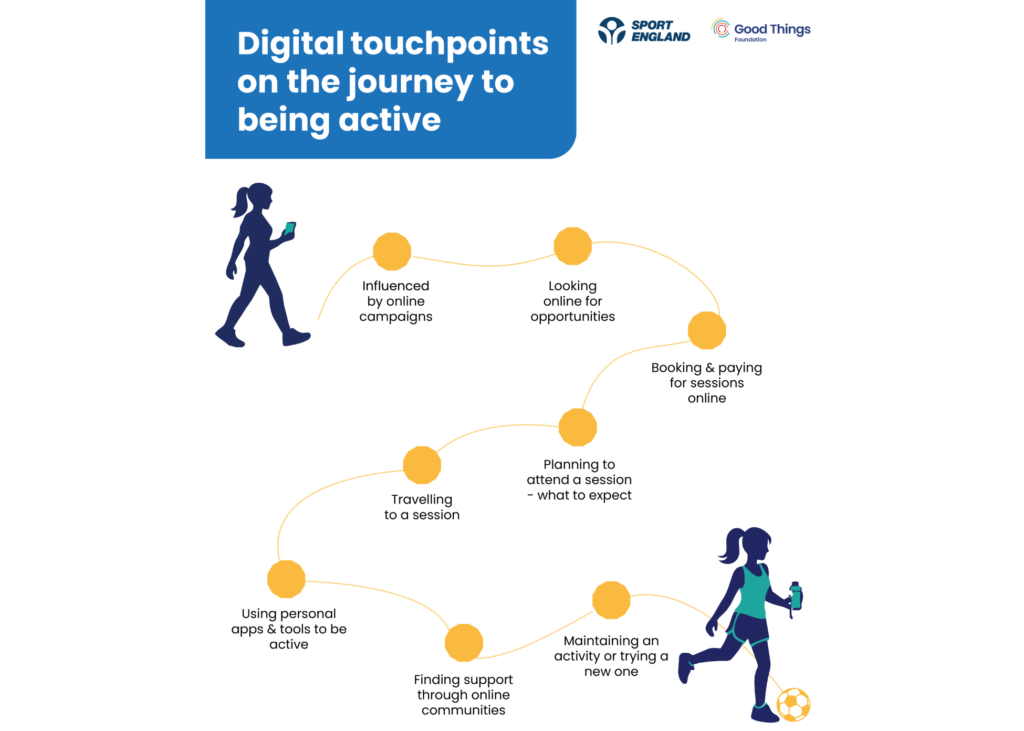
A lot of buying decisions start with a quick online check — scrolling through pictures, clips, comments, or reviews before someone ever reaches out.
Staying visible this way can:
- Introduce you to people who didn’t know you existed
- Put your products or services on display
- Give you a channel for answering questions
- Let you pass along useful knowledge in your field
- Build trust through familiarity
- Get the word out on sales or launches
- Funnel traffic toward your site or shop
- Show you what your audience is actually after
Size isn’t everything here — a small, genuinely interested group will beat a huge, indifferent one every time.
Go Where Your Customers Already Are
Trying to maintain a presence on every single platform sounds thorough, but for a small operation it’s usually unsustainable.
Think about where the people you’re trying to reach actually spend their time online when planning social media marketing for small businesses.
A clothing seller, for example, might thrive on platforms built around images and short videos. A local service business might get better results from platforms that focus on reaching nearby customers.
Start with one or two platforms and expand once you’ve figured out what’s actually working.
Don’t Just Sell — Give People a Reason to Stay
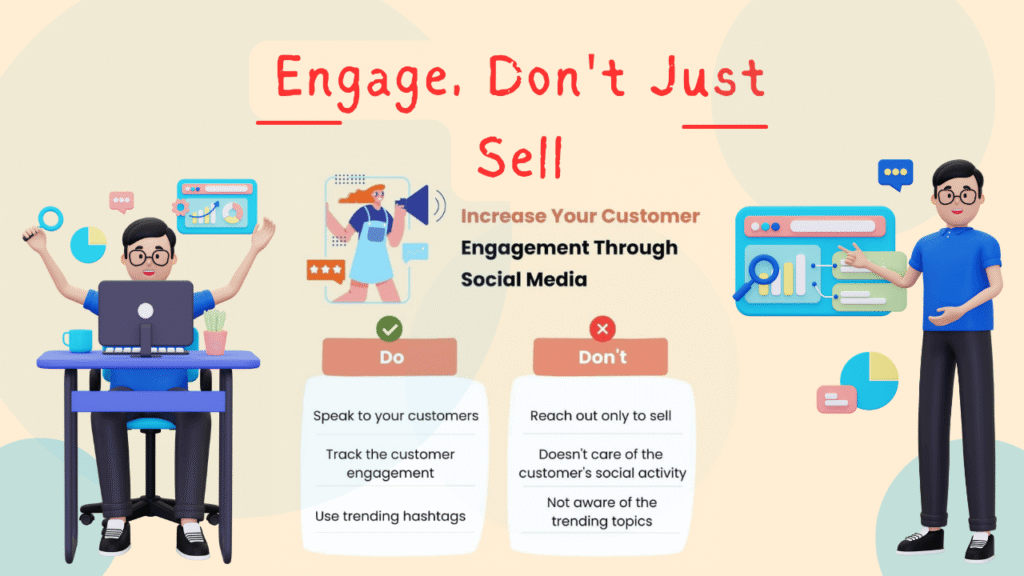
A page full of nothing but “buy now” posts tends to lose followers fast.
Rotate through different kinds of posts instead:
- Tips and answers — address the questions people in your industry ask most
- Demos — show the product doing its job, explain why that matters
- Company news — new launches, locations, or changes worth flagging
- A look behind the curtain — the people and work that go into what you make
- Real customer stories — reviews and feedback shared with their okay
- Deals — timed discounts or new stock, used sparingly
A blend like this keeps the page worth checking and gives people more than one reason to follow along.
Make the Point Fast With Your Visuals
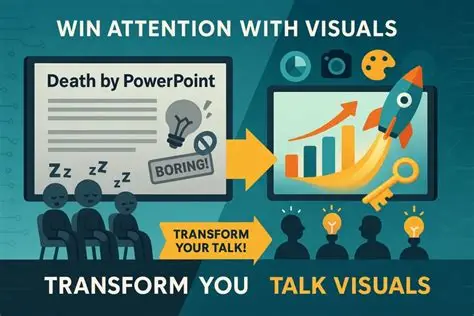
People scroll quickly, so whatever you post needs to land its message in seconds.
A product in motion usually beats a product sitting still. A short clip showing it being used tends to explain the value faster than any photo could.
One workable structure for a promo clip:
Problem → Product → Demo → Payoff → Offer → What to do next
None of this requires studio gear. A phone camera, okay lighting, clean audio, and a clear idea are usually enough.
Conversation Matters as Much as Content

Putting posts up is only part of the job — responding to people is the other half.
When someone comments or messages you, answer quickly and clearly. Questions about cost, stock, delivery, or features are often the moment someone decides whether to actually buy.
Polls, open questions, and invitations to share experiences can keep the conversation going and make the business feel more human.
Putting Money Behind Ads
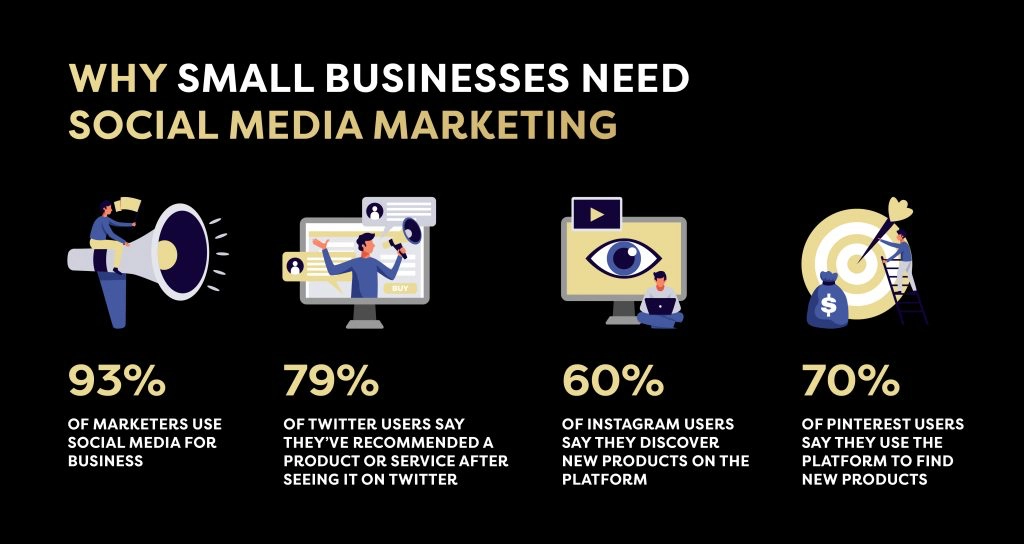
Free, organic posting builds an audience slowly. Paid promotion lets you jump ahead and reach a chosen group faster.
A local shop might target ads to people in a specific area. A brand selling a particular product might test a few audiences and messages against each other.
No need to start big — try a budget you’re okay losing, test a few versions, and see what sticks. Once something clearly performs, put more weight behind it.
Check What’s Actually Working

Posting without reviewing the results leaves you guessing about what your audience responds to.
Worth tracking, depending on the platform:
- Reach and impressions
- Likes and comments
- Video views
- Profile visits
- Clicks through to your site
- Direct messages
- Inquiries
- Leads and sales
Don’t lean on just one fi
A few recurring missteps tend to hold small businesses back:gure. A post with modest likes can still be a win if it’s quietly driving real inquiries.
If short demo clips keep outperforming plain photos in terms of inquiries, that’s a signal worth acting on.
Pitfalls Worth Steering Clear Of
- No clear goal before posting — decide what each post is supposed to accomplish
- Obsessing over follower count — a big number means little without relevance
- Copy-pasting the same post everywhere — what works on one platform often flops on another
- Letting questions go unanswered — slow replies cost you interested people
- Wanting fast results — a real following takes consistent effort and patience
- Flip-flopping on strategy — give an approach enough time to actually show results before scrapping it
Keep the Starting Point Simple
You don’t need anything elaborate to begin. Settle on the platforms that fit your audience, decide what kinds of posts you’ll make, and keep a schedule you can realistically maintain.
From there, track which posts bring real engagement, inquiries, traffic, and sales — and let that data shape what comes next.
In the end, this isn’t about being popular online for its own sake. It’s about getting the right people to notice your business, understand what you’re offering, and feel ready to act on it.
If handling all of this — content, replies, ad campaigns, strategy — gets to be too much on your own, a digital marketing professional can help shape an approach built around your business and its goals.